Checking your rankings every single day and seeing nothing move is frustrating. Nobody warns you that SEO can feel painfully slow at first. Here’s the honest answer on how long does SEO take — no vague guesses, just a real timeline you can trust.
SEO stands for search engine optimization. It means making changes to a website so it shows up higher in Google’s search results, without paying for ads.
What Does SEO Taking Time Actually Mean?
| SEO Meaning: SEO is the process of improving a website so it ranks higher in search engines like Google, which brings in free visitors over time. |
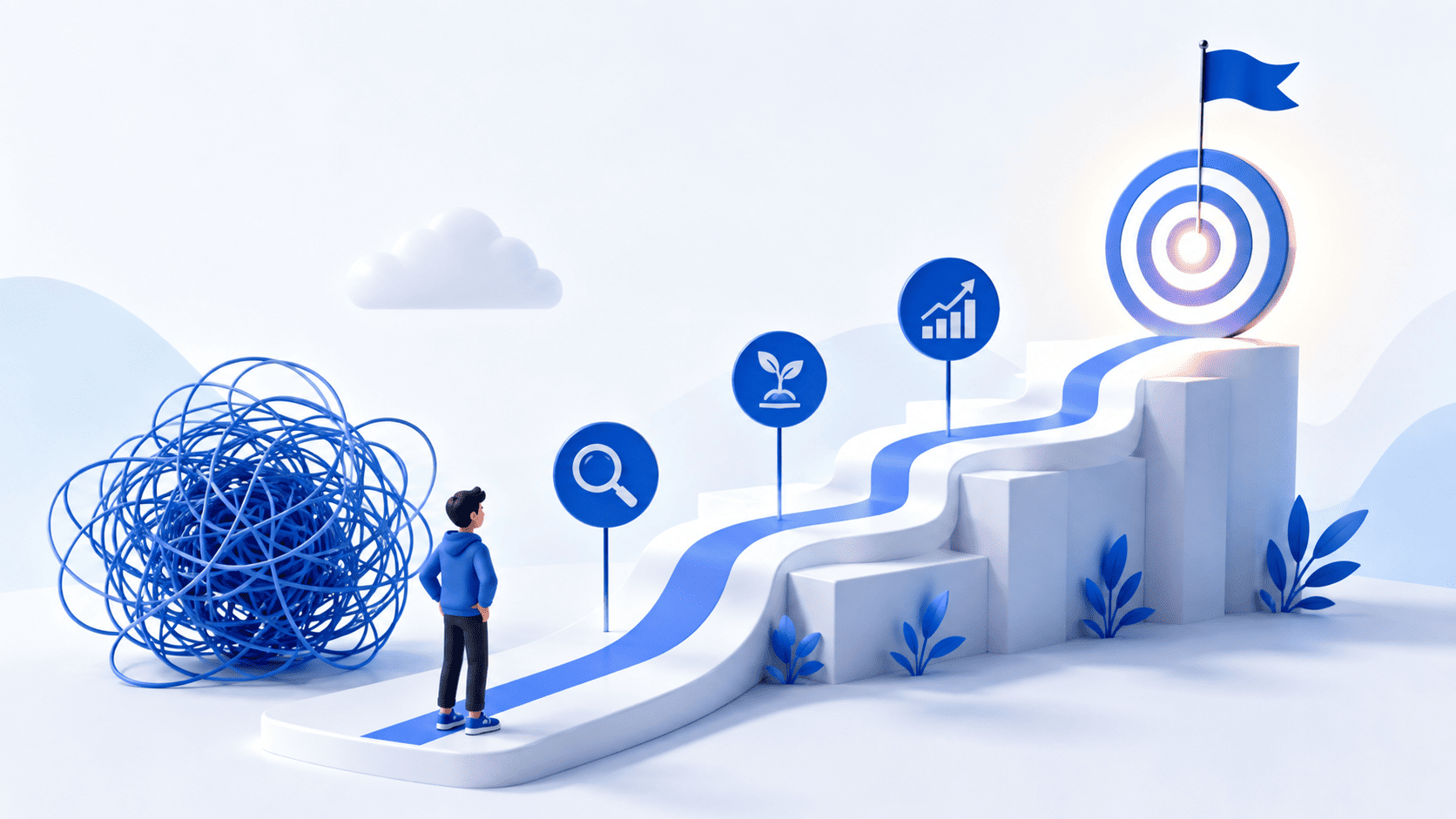
Here’s the thing — SEO isn’t a switch you flip. It’s more like planting a seed and watching it grow.
Google needs time to notice a website exists. It has to find the pages, understand what they’re about, and decide where they deserve to sit in the results. If you want the full picture, this guide on what is SEO breaks down the basics from scratch.
So when someone asks how long SEO takes, the real answer starts with understanding that Google is doing a lot of quiet work behind the scenes before anything shows up.
How Long Does SEO Really Take to Show Results?
| Ranking Meaning: A ranking is the position a webpage holds in Google’s search results for a specific search term, like being third or tenth on the page. |
Most beginner websites start seeing real movement somewhere between four and twelve months. That’s a wide range, and it’s wide on purpose — because SEO timing depends heavily on where a site is starting from.
A brand new website, with no history and no content, usually sits on the slower end of that range. An older site that already has some content and a bit of trust with Google can sometimes see results faster.
Don’t worry — this doesn’t mean nothing happens for months. Small wins tend to show up early, even before rankings climb. Search Console might show impressions growing, or a handful of new visitors trickling in, long before a page hits page one.
What Factors Affect How Fast SEO Works?
| Domain authority Meaning: Domain authority is a score that estimates how trustworthy and established a website looks to search engines, based on factors like its age and backlinks. |
A few things speed SEO up, and a few things slow it down. Knowing which ones apply to a specific site makes the whole process a lot less mysterious.
Site Age and Domain Authority
Older websites tend to rank faster simply because Google has had more time to trust them. This ties directly into domain authority, and it’s worth understanding whether domain authority actually matters before spending too much energy chasing that number.
whether domain authority actually matters
A brand new site starts with none of that trust built up yet, which is completely normal and not a sign anything is wrong.
Competition in the Niche
Some topics are crowded with big, established websites. Ranking for those terms takes longer simply because there’s more competition to beat.
Picking less competitive topics early on tends to bring faster wins, even if the search volume is smaller.
Content Quality and Depth
Thin, rushed content rarely ranks well, no matter how long it sits online. Detailed, genuinely helpful posts tend to climb faster because they actually answer what the reader was searching for.
Publishing Consistency
Websites that publish regularly tend to build momentum faster than ones that post once and go quiet for months. Consistency signals to Google that the site is active and worth revisiting.
Why Does SEO Take Longer Than Paid Ads?
| Organic traffic Meaning: Organic traffic is the visitors who reach a website by clicking a normal, unpaid search result — as opposed to an ad. |
Paid ads work almost instantly. Pay for a spot, and traffic shows up the same day. SEO doesn’t work that way, and comparing the difference between SEO and paid ads makes the trade-off a lot clearer.
difference between SEO and paid ads
The upside is that organic traffic keeps coming in long after the work is done, without paying for every single click. Ads stop the moment the budget runs out. SEO keeps working quietly in the background, month after month.
That patience is exactly what makes SEO worth it for anyone building something long-term, like a blog meant to earn passive income.
Can You Speed Up SEO Results?
| On-page SEO Meaning: On-page SEO means optimizing the actual content and structure of a webpage — things like titles, headings, and keyword placement — to help it rank better. |
There’s no shortcut that skips the waiting entirely, but a few habits genuinely help results show up sooner.
Publishing consistently matters more than almost anything else. Sites that post regularly tend to gain traction faster than sites that go quiet for weeks at a time.
Solid on-page SEO also helps. Making sure the target keyword appears naturally in the title, the headings, and the first part of the content gives Google clearer signals about what the page is actually about.
Fixing technical issues early — like slow load times or broken links — removes small obstacles that can otherwise hold a site back without anyone realizing it.
According to industry benchmark data, most competitive keywords take several months of consistent effort before ranking improves noticeably.
Industry SEO timeline study or benchmark report
How Do You Know If Your SEO Is Working?
| Impressions Meaning: Impressions are the number of times a webpage showed up in Google search results, whether someone clicked on it or not. |
Rankings aren’t the only sign of progress. Watching impressions climb inside Google Search Console is often the earliest hint that something is working, well before any page reaches the first page of results.
Google Search Console is free, and it shows exactly which pages are starting to show up in search results, and for which terms. Watching that data grow, even slowly, is one of the most reassuring parts of the SEO process.
Seeing impressions rise before clicks or rankings catch up is completely normal. It usually means Google is starting to notice the content, and the rest tends to follow with a bit more time.
Important FAQs
Does SEO take longer for a brand new website?
Yes. New websites usually take longer because Google hasn’t built any trust with them yet. Results often take closer to the higher end of the typical timeline.
Can SEO show results in one month?
It’s rare, but small signs like impressions can appear early. Meaningful ranking movement usually takes a few months at minimum.
Does posting more often make SEO faster?
Consistent publishing helps build momentum, but quality still matters more than quantity. A handful of strong posts beats a pile of rushed ones.
Is SEO still worth it if it takes months?
Yes. Once a page ranks well, it can keep bringing in visitors for a long time without ongoing ad spend, which makes the wait worthwhile.
Why do some websites rank faster than others?
Site age, competition level, content quality, and consistency all play a role. Two sites targeting the same keyword can see very different timelines.
Do backlinks make SEO work faster?
Quality backlinks can help build trust faster, but they work best alongside strong content and consistent publishing, not as a standalone shortcut.
What to Do Next
Understanding how long SEO takes is the first step. The next step is checking where things stand right now. Log into Google Search Console today, take a look at current impressions, and use that number as a starting point to track progress from here.